
Why going organic could be the secret to a healthier garden

-
-
 Work with your garden’s natural growing processes
-
 Focus on long-term plant health, not just quick results
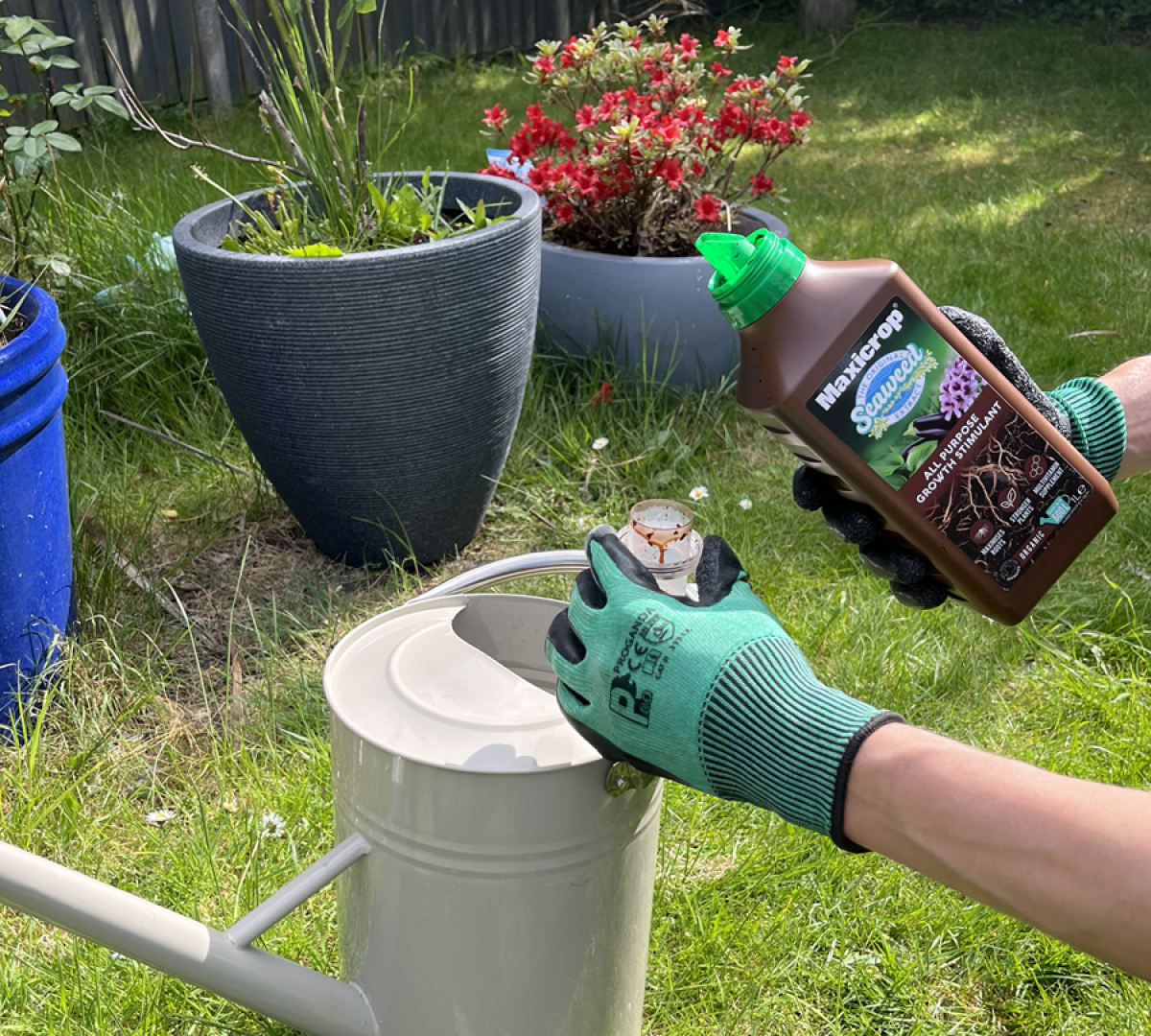
From feeding plants to tackling pests and improving the soil, there are countless products and techniques promising gardeners bigger, better and healthier results. But sometimes, working with nature rather than against it can be one of the simplest ways to help a garden thrive.
Organic gardening is about much more than avoiding certain chemicals. By focusing on soil health, supporting natural growing processes and choosing products derived from naturally occurring ingredients, gardeners can create stronger, more resilient plants while taking a more sustainable approach to caring for their outdoor space.
Angharad James, Brand Manager at Maxicrop, shares the benefits of gardening organically and outlines the simple changes that can help create a healthier garden from the ground up.
Focus on long-term plant health, not just quick results
“Healthy plants start below the surface. While it can be tempting to focus on what we can see above ground, strong root development and effective nutrient uptake are fundamental to how well a plant grows and responds to challenging conditions.
“Taking a more organic approach means thinking about the overall health of the plant rather than simply encouraging fast, visible growth. Supporting roots and helping plants make effective use of the nutrients available to them can create stronger growth and greater resilience over time.
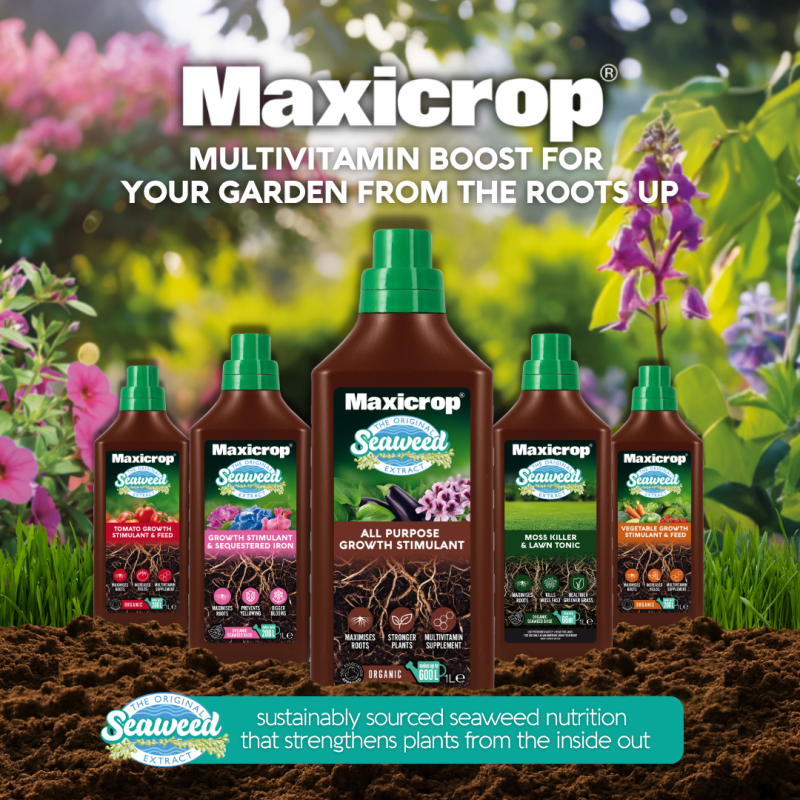
“Natural ingredients such as seaweed can be particularly valuable here. Maxicrop’s seaweed extract acts as a natural biostimulant, supporting root development, nutrient uptake and plant strength, while helping plants become more resilient to stresses including drought and cold.
“Maxicrop® All Purpose Growth Stimulant, for example, is made using sustainably sourced seaweed and can be used throughout the garden to support healthy plant development without relying on an intensive approach to feeding.”
Work with your garden’s natural growing processes
“One of the biggest benefits of organic gardening is that it encourages us to work with the natural processes already taking place in our gardens.
“Simple habits can make a real difference. Composting garden and kitchen waste returns valuable organic matter to the garden, while leaving some areas a little less manicured can create space for wildlife and encourage greater biodiversity.
“How and when we care for plants matters too. Choosing the right plant for the right conditions, watering deeply rather than little and often, and paying attention to the health of the soil all help plants establish themselves more successfully.
“Organic gardening doesn’t have to mean completely changing the way you garden. It can simply mean becoming more considered about what you add, what you remove and whether intervention is actually needed.”
Make more considered choices about what you use
“For many gardeners, going organic starts with being more conscious about the products they choose.
“Looking at how ingredients are sourced and choosing products that are suitable for organic gardening can make it much easier to introduce a more sustainable approach without sacrificing plant performance.
“Maxicrop has been using seaweed in its gardening products for more than 80 years. The seaweed is sustainably sourced from the waters off the Norwegian coast and provides a natural source of compounds that support plant growth and resilience.
“The Maxicrop range is also certified organic by the Soil Association, giving gardeners reassurance when choosing products as part of an organic approach to growing.
“Ultimately, organic gardening doesn’t have to be all or nothing. Small changes, from starting a compost heap to reconsidering how you feed your plants, can all contribute to a garden that works more closely with nature.”
Start small and build from there
“Going organic can feel like a big undertaking, particularly if you’ve gardened in the same way for years, but there’s no need to change everything at once.
“Start with one or two simple habits. Make your own compost, choose an organic product the next time you need to feed your plants, improve your soil with organic matter or allow a small part of the garden to become a little wilder.
“The aim isn’t to create a perfect garden overnight. It’s about building healthier growing conditions and making choices that support plants for the long term.
“Gardens are living ecosystems, and the more we can support the natural processes happening within them, the better equipped our plants can be to grow, thrive and cope with whatever the season brings.”
For more expert gardening advice and details on Maxicrop, visit www.seezon.co.uk.