
Horticulture leaders unite to inspire STEM careers



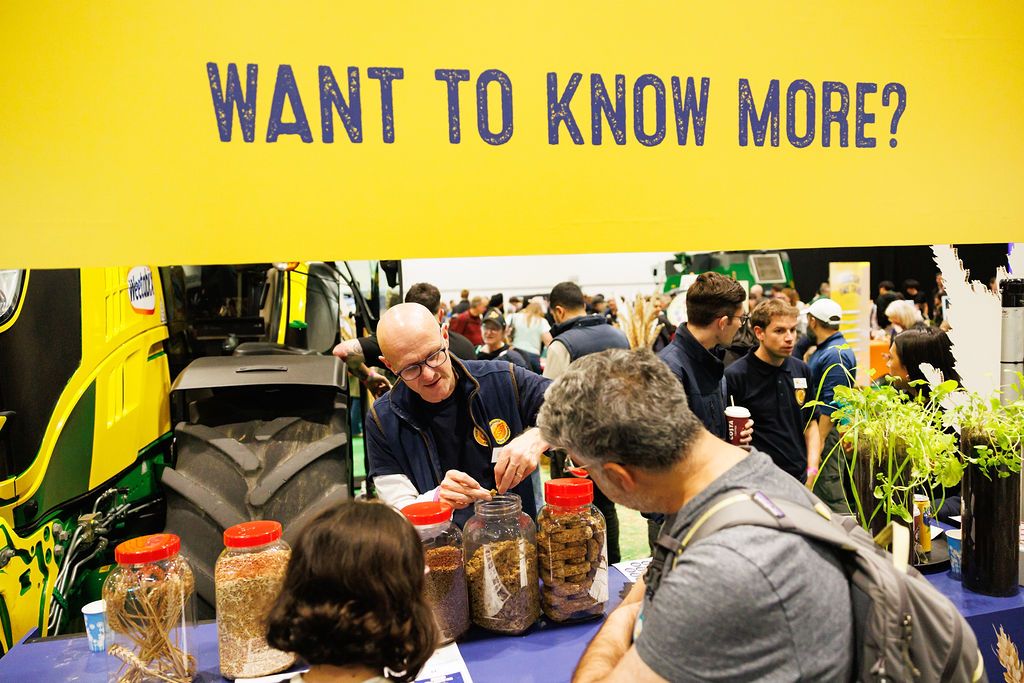
The inclusion of the Chartered Institute of Horticulture in a new cross-sector initiative signals a growing recognition of horticulture as a vital STEM discipline. Set to feature at New Scientist Live 2026, the collaboration aims to challenge outdated perceptions of the industry.
Bringing together organisations such as the Young People in Horticulture Association and the Horticultural Trades Association, the project represents a unified effort to showcase the sector’s innovation and relevance.
At the heart of the initiative is a clear message: horticulture is not just about gardening—it is a science-driven industry critical to solving some of the world’s biggest challenges. From climate resilience to food security, its impact is far-reaching.
The planned interactive exhibit at ExCeL London will offer visitors a hands-on experience of the technologies and skills shaping the future of the profession. This immersive approach is designed to engage and inspire.
Event Dates: 10–12 October 2026
A key concern driving the initiative is the widening skills gap. Despite contributing billions to the UK economy and supporting hundreds of thousands of jobs, the sector faces an ageing workforce and a shortage of new entrants.
Events like New Scientist Live provide a powerful platform to address this challenge. By targeting students and young people, the collaboration seeks to build awareness early and encourage long-term career interest.
Equally important is the role of professional development. The Chartered Institute of Horticulture brings credibility through its focus on education, training, and chartership, reinforcing horticulture as a structured and respected career path.
The initiative also reflects a broader shift in how industries communicate their value. By framing horticulture within the context of STEM, it aligns the sector with innovation, technology, and future-focused careers.
Ultimately, this collaboration is about securing both environmental and economic resilience. By inspiring the next generation, it ensures that the expertise needed to tackle global challenges continues to grow—rooted in science, but reaching far beyond it.